
The Danger of Smoke
Smoke emitted from fire is actually often more dangerous than the fire itself, and is the leading cause of death in fire-related incidents. The smoke is mixture of toxic gases, soot, and other particles that are extremely dangerous to inhale. It spreads rapidly, incapacitating occupants and obscuring escape routes. Therefore, for fire protection engineers managing smoke can be just as critical as suppressing the flames themselves.
What is a Smoke Control System?
These are systems that are engineered to mange smoke movement within a building in the instance of a fire. They work to either remove smoke from the area with the fire, or contain it so it does not spread into the surrounding area. By doing this, it ensures a safer environment for occupants to evacuate.
2 Types of Smoke Control Systems
Smoke control systems generally fall into two categories:
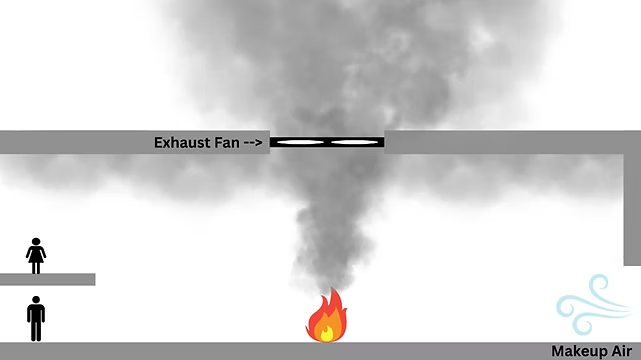
- Smoke Management Systems: These systems are typically used in large, open spaces like atriums, shopping malls, and warehouses. These systems remove smoke from the building through natural ventilation or powerful exhaust fans. Once the smoke is removed from the building, makeup air must be entered into the large space to replace the air lost through the ventilation. Otherwise, the pressure that builds up can become problematic. This process can be seen through the visual below:
- Smoke Containment Systems: Smoke containment systems are used to prevent smoke from entering specific areas such as elevator shafts or stairwells through pressurization. The smoke is prevented from entering because of the high pressure, which means that these critical escape routes remain smoke free and safe for evacuation.
System Activation
Both types of smoke control systems are typically activated by the buildings fire detection system such as the smoke detector. Once triggered, the system automatically the smoke control method.